

How does hypophosphatasia (HPP) affect children?
The most severe forms of HPP tend to occur before birth (in utero) and in early infancy. HPP in older children is generally not life-threatening.
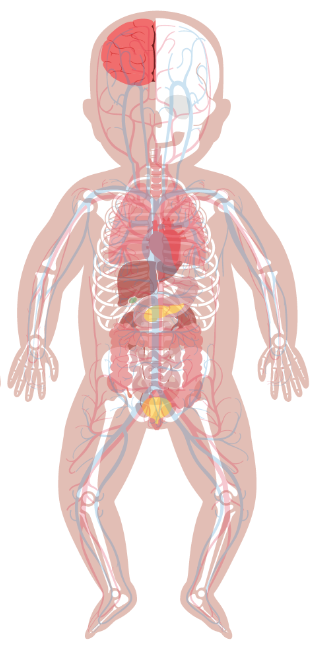
Head
- Possible seizures (infants)
- Abnormally shaped skull (craniosynotosis)
Mouth
- Premature tooth loss (with root intact) and other dental manifestations
Chest
- Bones in the rib cage may not grow properly
- Underdeveloped lungs which may lead to respiratory failure
- Possible breathing complications
General
- Difficulty with growth, gaining weight and feeding
- Delayed motor skills or missed milestones
Muscles, bones and joints
- Weakness or pain
- Bowing of the limbs
- Fractures
*While the symptoms shown in the diagram are some of the most common in infants and children, there are other symptoms not shown.
For a child with HPP, support is essential across different aspects of daily life, including school, social settings, and medical appointments. A carer can help by building an understanding of the condition, tracking their symptoms, establishing a support network, and sharing clear instructions with those involved in the child’s care.
If a child is diagnosed with HPP, genetic counselling may be recommended to assess whether other family members could also be affected.
If a child is diagnosed with HPP, genetic counselling may be recommended to assess whether other family members could also be affected.
There’s a key window during childhood when bones typically grow and develop. As children approach the end of puberty, their growth plates close, making it harder to correct issues that may have developed earlier. If HPP is identified and managed during childhood, there’s a greater chance to support healthier outcomes and reduce challenges that could persist into adulthood. With early diagnosis and the right care, the burden of HPP may be reduced.
The information provided in this material is intended as a source of education for the general public. It is not intended for any self-diagnosis purposes nor to replace the advice of your doctor or healthcare professional. Please consult your doctor or healthcare professional if you have any questions or concerns.