

How does hypophosphatasia (HPP) affect adults?
While HPP can significantly affect a person's quality of life and day-to-day activities, HPP in adults is rarely life-threatening.
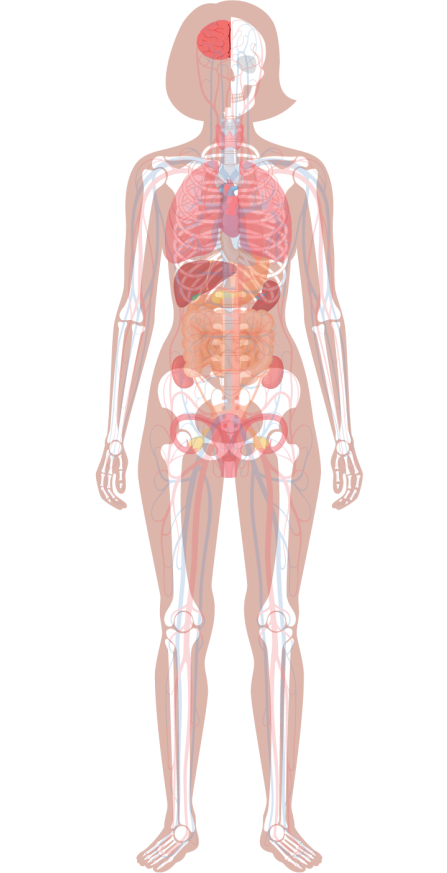
Head
- Persistent headaches
- Fatigue
- Mood disorders, like anxiety and depression
Mouth
- Premature loss of permanent teeth (with root intact)
- Poorly formed teeth
- Recurrent and severe caries and periodontal diseases
Muscles, bones and joints
- History of frequent/atypical fractures (e.g. atypical femoral fractures (pseudofractures), and recurrent metatarsal fractures)
- Bone pain and deformities
- Muscle pain/weakness
- Pseudogout
- Bowing of arms and legs
- Joint pain and swelling
- Pain or difficulty when walking
Kidneys
- Renal impairment
- Calcium buildup in the urine, kidneys or blood
- Kidney stones
*While the symptoms shown in the diagram are some of the most common in adults, there are other symptoms not shown.

When ALP activity is persistently low, bones do not mineralise in the typical way. As listed above, the effects can be far-reaching, potentially impacting muscles, teeth and other systems in the body. To diagnose HPP, doctors look at signs and symptoms, and confirm that ALP is persistently low on a standard blood test. Past test results and medical records can also help build the picture.
Managing HPP involves addressing various aspects of daily life, including healthcare, social interactions, and work environments. Learning about the condition, monitoring symptoms, and building a reliable support network can help improve overall wellbeing.
Early and clear documentation of symptoms and medical history, bringing a trusted companion to healthcare appointments, and advocating for necessary testing are important steps to ensure appropriate and timely care.
Early and clear documentation of symptoms and medical history, bringing a trusted companion to healthcare appointments, and advocating for necessary testing are important steps to ensure appropriate and timely care.
The information provided in this material is intended as a source of education for the general public. It is not intended for any self-diagnosis purposes nor to replace the advice of your doctor or healthcare professional. Please consult your doctor or healthcare professional if you have any questions or concerns.